Chronic conditions are a reality for many individuals receiving support at home, and they require professionals who understand how these long term challenges shape daily routines. As a caregiver, home health aide, or healthcare professional, your role goes far beyond completing tasks. You help clients navigate complex symptoms, maintain independence, and stay safe in familiar surroundings. The skills explored in this article reflect the competencies valued across the home care field and offer a roadmap for building confidence and advancing your career.
This article lays out the essential skills that will help you provide the best support in home health care and beyond, especially when supporting individuals with ongoing health challenges. You will learn practical techniques and how developing these skills can help you build a rewarding and stable career in the Lexington, SC area.
Why Strong Home Care Skills Matter
Chronic diseases affect clients in deeply personal ways. Many clients live with multiple chronic conditions, which puts them at higher risk for complications and hospitalizations. Your presence can truly improve quality of life.
Older adults often prefer to remain at home as their conditions progress, and agencies depend on caregivers who feel confident and well prepared. Investing in your skills helps you provide better care and helps you advance professionally in the home health care field.
Key Skills Every Caregiver Needs in Home Health Care
1. Strong Observation Skills
When supporting chronic conditions, small changes matter. A slight shift in appetite, swelling in the legs, or unusual confusion can signal a developing issue. Caregivers are often the first to spot red flags.
You can strengthen your observational skills by paying close attention to patterns, asking questions, and documenting what you see. Monitoring vital signs, such as blood pressure, and being alert for signs of high blood pressure are also important parts of your observation duties. Always report changes to your supervisor. This protects your client and shows reliability and professionalism.
Organizations like the National Institute on Aging emphasize that early detection of changes can prevent medical emergencies. You play a critical role in this process.
2. Understanding Common Chronic Conditions
You do not need to be a nurse or clinician to support someone with a chronic health issue, but basic knowledge helps you anticipate needs and respond calmly when something changes.
Chronic diseases are among the leading causes of death and disability, and risk factors such as poor nutrition, physical inactivity, and tobacco use contribute to their development. Chronic disease prevention is an important focus for caregivers and health systems, aiming to reduce these risk factors and improve health outcomes. Non-medical factors that affect health outcomes, also called social determinants, such as housing, education, and access to healthy food, significantly impact the risk of developing chronic diseases and influence health disparities.
Here are a few conditions caregivers often encounter. You may also support individuals with other chronic diseases, health conditions, and medical conditions beyond those listed.
Diabetes
You might support blood sugar stability with meal reminders or assistance with healthy food preparation. You may also observe signs of high or low blood sugar and report them promptly. Additionally, you can encourage and assist clients in their self-care routines, such as monitoring their own blood sugar levels and making healthy lifestyle choices.
Heart Disease
Caregivers often help clients conserve energy, monitor swelling, support low-sodium meal choices, and encourage safe activity when appropriate, as regular physical activity is important for managing heart disease and reducing the risk of further complications.
Arthritis
Joint pain and stiffness make daily activities harder. Your gentle support with mobility, dressing, and exercise can make a major difference in comfort and confidence. Helping clients maintain daily routines that support joint health and mobility is essential for effective arthritis management.
Dementia
If your client lives with Alzheimer’s disease or another form of dementia, your patience, consistency, and communication skills become even more essential. The Alzheimer’s Association reminds caregivers that creating a calm environment and simplifying tasks can reduce frustration and confusion. Supporting the client’s mental health and addressing psychological well-being is an important part of comprehensive dementia care.
Understanding the general challenges of each condition helps you provide personalized, respectful care for the loved ones you serve!
3. Practical Home Care Skills That Support Chronic Conditions
When clients live with ongoing health needs, everyday tasks become more important. These are the areas where your skills shine. Having basic medical knowledge and being skilled in managing medications are just some ways of ensuring safe and effective support for clients.
Personal care
You may help with bathing, grooming, dressing, or toileting—support that is often provided by personal care aides and through home health aide services. A gentle approach makes personal care feel safe and dignified.
Mobility assistance
Clients with arthritis, neuropathy, Parkinson’s disease, or weakness often need steady support to move around their home. Providing this support safely requires physical strength, as home health aides must be able to assist with lifting, transferring, and steadying clients during mobility tasks. Physical stamina protects both you and your client.
Meal preparation
Nutrition affects many chronic conditions, and poor nutrition can increase the risk of certain cancers and other health problems. Preparing balanced meals and encouraging hydration, as well as supporting clients in making healthy choices at mealtimes, helps stabilize symptoms and energy levels.
Medication reminders
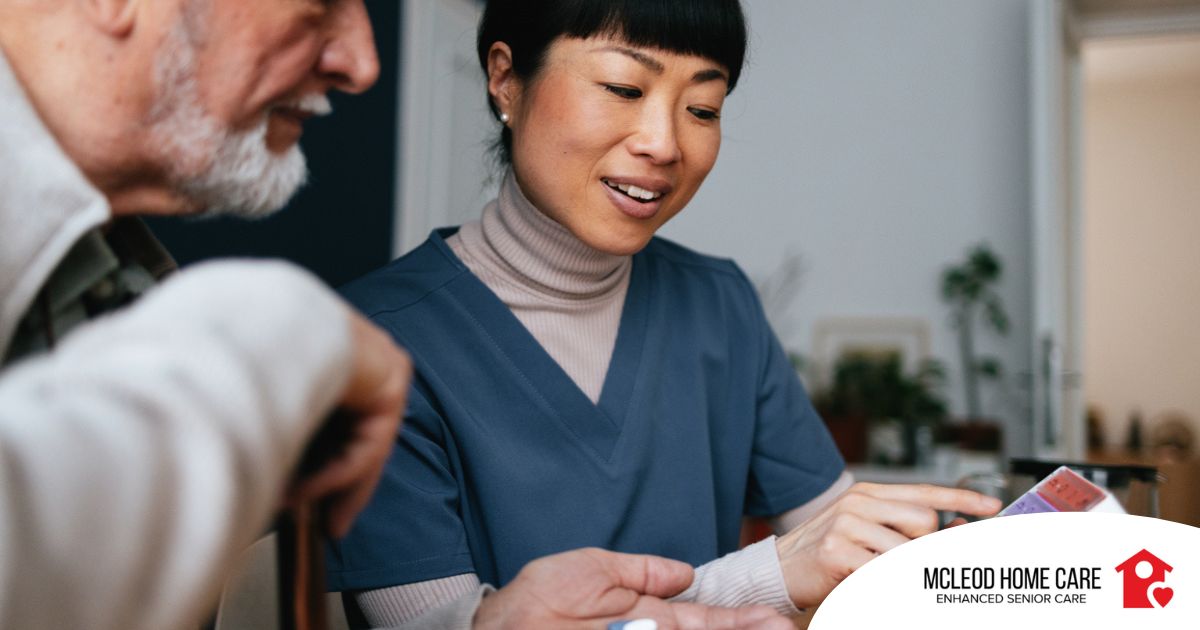
You cannot administer medication unless you are licensed to do so, but you can offer reminders, help clients stay organized, and report concerns.
Light housekeeping
A clean, clutter-free home reduces fall risks and promotes healthier living for people with breathing conditions like chronic obstructive pulmonary disease (COPD) or limited mobility.
These home care skills create a safe, supportive environment where your client can manage their condition with confidence.
4. Compassionate Communication and Emotional Support
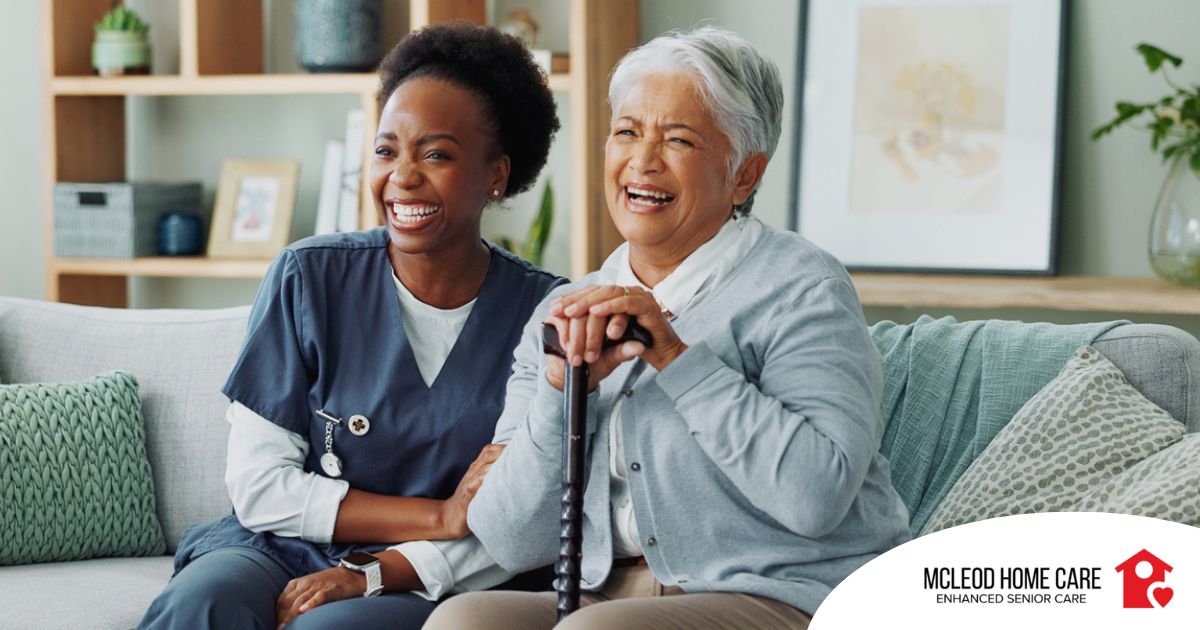
Chronic conditions often bring fear, frustration, or sadness. Clients may worry about losing independence or becoming a burden to their families. Your presence and your words can help them feel understood and empowered.
Good communication includes listening without rushing, offering encouragement, and explaining tasks simply. It also means being able to communicate effectively with clients and their family members, especially when discussing care plans or changes in condition. Respecting cultural preferences, routines, and habits that are meaningful to your client is also important. Using problem solving skills to address challenges that arise in care helps ensure the best outcomes for both clients and their families.
5. Time Management and Adaptability
Clients with chronic conditions often have structured routines. Medication schedules, meals, rest periods, exercises, and appointments all matter. In home health care and home care, strong time management skills are essential for caregivers to effectively juggle these responsibilities and ensure quality patient care.
At the same time, chronic illnesses can be unpredictable. Symptoms may worsen temporarily or progress over time. Using critical thinking is essential to adapt care plans and respond effectively to new challenges as they arise.
This may include adjusting daily tasks, trying new approaches, or asking your supervisor for guidance. Flexibility helps you meet your client where they are today, not where they were last week.
How Home Care Agencies Support Caregivers
Caregivers thrive when they receive tools, ongoing training, and one-on-one support so they can feel confident working with chronic conditions. Agencies often provide:
- Skill-building workshops
- Condition-specific training
- Mentorship from experienced caregivers
- Opportunities to grow into specialized roles
Home healthcare agencies employ a range of healthcare professionals, including nurse practitioners, nurses, therapists, and aides providing medical care, to support both caregivers and clients in delivering quality home health care. While non medical home care focuses on supervision, comfort, daily living support, and observation. Whether your role is clinical or non clinical, you play an important part in helping clients maintain stability, dignity, and comfort in their own homes!
If you are passionate about caring for others, the home care field gives you room to build a long and meaningful career.
Why Caregivers Choose Home Care as a Career Path
Caregivers often say they choose home care because they want work with purpose. Supporting someone with a chronic condition allows you to build lasting relationships and see the impact of your care every day. This helps clients remain in their own homes.
Home care also offers:
- Flexible schedules
- Consistent work
- Supportive teams
- Opportunities for advancement
- Training that strengthens both confidence and skill
If you feel called to caregiving, developing these home care skills will help you support clients with chronic illnesses with confidence and compassion. You do not need to know everything on day one. You simply need a willingness to learn, a caring heart, and a commitment to showing up for the people who depend on you.
McLeod Home Care is always looking for caregivers who want to make a meaningful difference in the lives of older adults across Lexington, SC and surrounding areas like Mount Pleasant, SC, Columbia, Aiken, Chapin, Lake Murray, Charleston, and the surrounding areas. If you are ready to start or grow your career in home care, we would love to talk with you!
If you want to work for a supportive team and build a fulfilling caregiving career, apply today or reach out to learn more about our open positions. Our services include Alzheimer’s and Dementia Care, Companionship, Home Safety Inspection, Light Housekeeping, Meal Preparation, Personal Care, Tech Savvy Senior Service and Transportation.