For older adults living with a chronic disease, the transition from hospital based care back to home can be one of the most fragile times in the care journey. Whether someone is recovering from surgery, illness, managing cancer, or living with long term conditions like diabetes or COPD, the days and weeks after leaving the hospital are when many emergency room visits happen.
Many of these visits can be prevented. The key is having the right kind of medical support in place at home, along with the day-to-day help that keeps patients safe, comfortable, and on track with their recovery.
Why Hospital Readmissions Are Such a Big Concern
Hospitals across the country are working to reduce repeat visits, especially among older patients covered by Medicare. Programs focused on readmission reduction recognize that what happens at home often determines whether recovery continues or setbacks occur. For example, learn more about the Hospital Readmissions Reduction Program here.
When patients come home from the hospital, they are often sent home with new medications, follow up appointments, medical supplies, and detailed treatment plans from their doctor. Even the most motivated patient or family member can feel overwhelmed by the amount of information, scheduling, and instructions involved.
This is where senior home health services play an important role.
What Senior Home Health Care Does
Senior home health care is medical care provided in the home. These home health services are ordered by a doctor and delivered by licensed professionals such as nurses and therapists. The focus is on recovery, monitoring, prevention, and ongoing management of health conditions.
Home health professionals may check vital signs, monitor weight, provide wound care, support medication management, and deliver physical therapy. They also focus on patient education, helping seniors and their family members understand instructions and treatment plans more clearly.
Home health nurses communicate changes to the doctor so concerns can be treated early, often preventing complications that lead to emergency care.
Chronic Conditions That Often Lead to ER Visits
Many hospital readmissions happen because of chronic disease rather than a new injury. Patients living with diabetes, chronic obstructive pulmonary disease, congestive heart failure, or cancer often need close monitoring, especially after a hospital stay.
Small changes can be warning signs. Trouble breathing, swelling, sudden weight gain, weakness, or confusion may signal that a condition is worsening. After surgery or a serious health event, even minor setbacks can quickly escalate.
Home health services allow trained professionals to recognize these changes early and respond immediately, helping treat problems before they require other hospital visits.
Recovery After Surgery or Injury
The weeks following surgery are especially risky for older persons. Pain, limited mobility, and confusion about instructions can slow healing and increase fall risks. Patients recovering from orthopedic surgery, heart procedures, or other injuries often need extra support.
Home health clinicians assess physical function, track progress, and make sure the home environment supports safe recovery. Physical therapy delivered in the home helps rebuild strength and control while lowering the risk of injury.
This approach supports recovery while reducing stress and unnecessary hospital based visits.
Preventing hospital readmissions is not passive. It requires active monitoring, patient education, and timely response. Through regular visits and structured programs, they help patients stay stable and follow treatment plans safely.
This includes medication management, reinforcing care guidelines, and adjusting treatment plans as conditions change.
The Importance of Care Coordination
Care coordination is a key part of effective home health care. This coordination helps patients keep appointments, follow instructions, and avoid gaps in care.
It also helps reduce other costs tied to poor communication, unnecessary services, and avoidable hospital visits, which matters for both Medicare and families thinking about long term payment concerns.
The Human Side of Care
Beyond medical outcomes, home health care offers something just as important, hope. Being able to recover at home helps patients feel more in control and less stressed.
For someone managing a chronic disease, knowing skilled medical support is available can ease fear. Families benefit from clear communication and knowing what to expect during recovery, especially when care feels complex.
Where Home Care Services Fit In
Home care services are different from home health services. Home care does not provide medical treatment and does not replace skilled medical care.
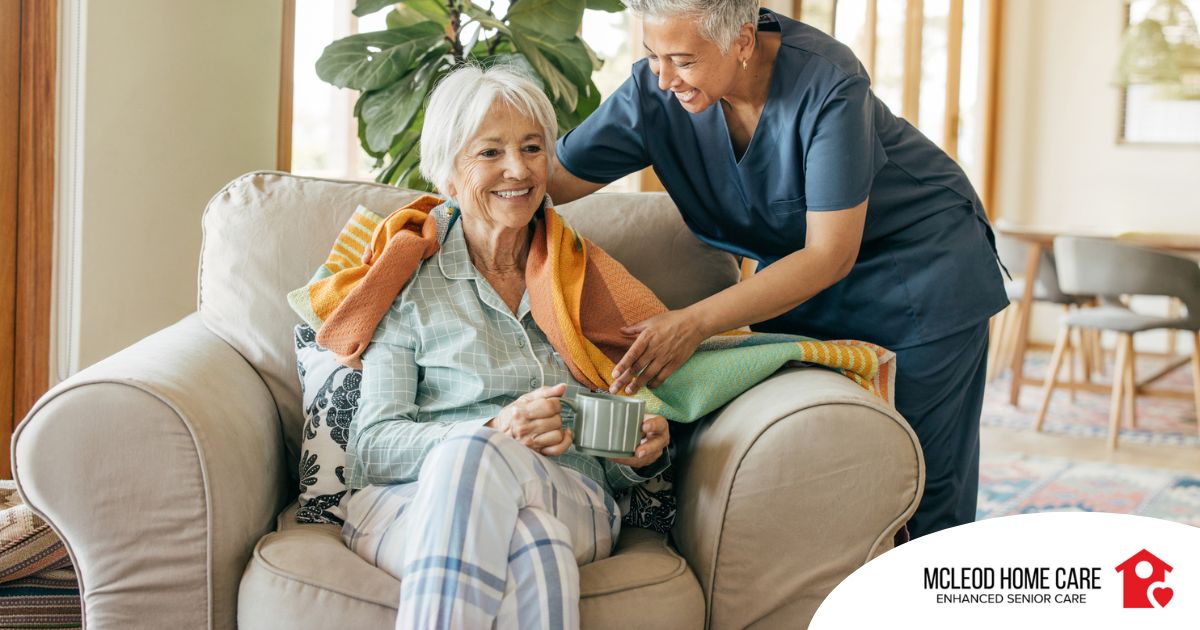
Instead, home care services support daily tasks that help patients follow medical instructions between visits. This may include help with meals, personal care, mobility, light housekeeping, and maintaining a consistent schedule.
By supporting routines and safety, home care helps reinforce treatment plans and the work of doctors and home health professionals.
Looking Ahead: Senior Care at Home
As healthcare continues to shift toward home based models, senior home health care remains essential to reducing hospital readmissions and improving outcomes for patients.
When medical home health services and non medical home care work together, patients are more likely to stay safe, recover well, and remain at home longer.
Supporting Seniors at Home With McLeod Home Care
At McLeod Home Care, we provide non medical home care services that support aging adults and complement home health services. While we do not provide medical treatment, our caregivers assist with daily tasks and routines that help patients follow their care plans safely at home. Our services include Alzheimer’s and Dementia Care, Companionship, Home Safety Inspection, Light Housekeeping, Meal Preparation, Personal Care, Tech Savvy Senior Service and Transportation.
If you are interested in supporting seniors and their loved ones in Lexington, SC and Mount Pleasant, SC, Columbia, Aiken, Chapin, Lake Murray, Charleston, and the surrounding areas, we invite you to learn more about opportunities with our team.