
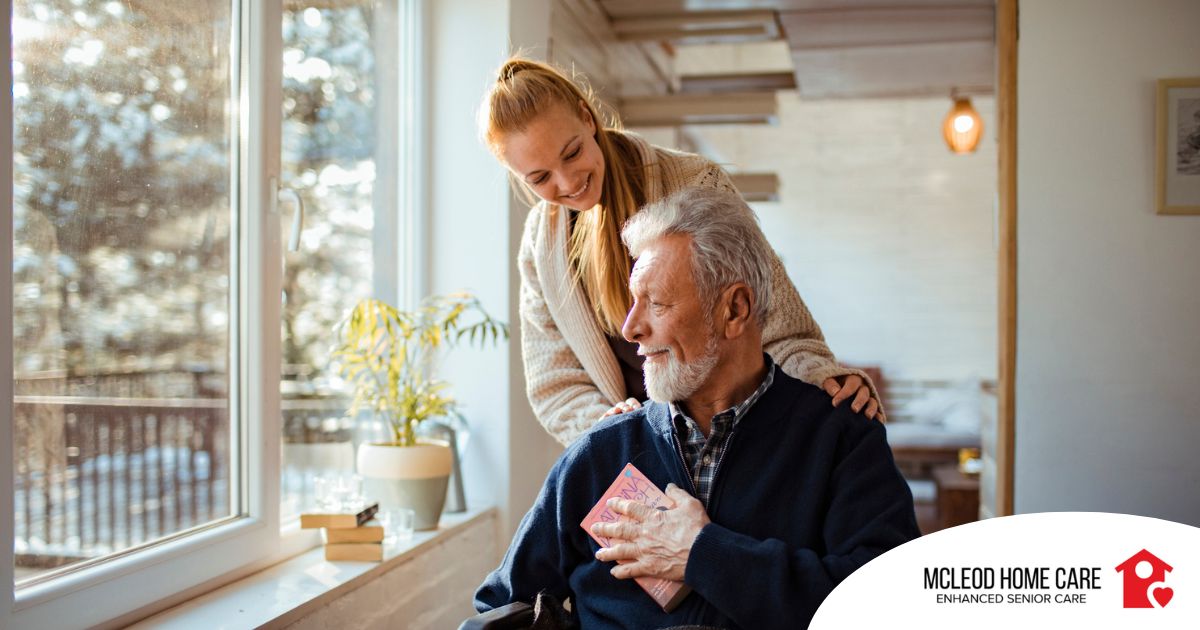
You may have started to notice small changes.
Your mom does not seem as interested in her favorite shows. Your dad says he is fine, but you sense something different in his voice. Maybe your spouse seems more withdrawn, spending more time alone and less time engaging with others.
It is hard to watch someone you love slowly pull back.
Loneliness and seasonal mood changes are more than passing phases. According to the National Institute on Aging, ongoing social isolation is linked to serious health risks, including heart disease, cognitive decline, and clinical depression. In some cases, persistent symptoms may even overlap with diagnosable mental disorders.
The encouraging news is this. Companionship for seniors can play a crucial role in maintaining health, both emotionally and physically. Consistent connection helps reduce social withdrawal, supports routine, and gives a person something to look forward to each day.
In this article, you will learn how seasonal depression, including SAD, affects older adults, what symptoms to watch for, and how home care for older adults can support your loved one and your own health through every season.
Why So Many Older Adults Feel Alone
Aging often brings changes that quietly increase isolation.
Friends pass away. Driving becomes difficult. Chronic health conditions limit mobility. A spouse may no longer be there to share meals or conversation. Over time, the house feels quieter.
Nearly one in four adults aged 65 and older is socially isolated. For family caregivers, these changes can add another layer of caregiving stress, especially if you are trying to balance work, children, and your own health at the same times each year when mood shifts appear.
Loneliness is not simply being alone. It is feeling disconnected. It can show up as subtle behavior changes such as:
- Social withdrawal
- Trouble sleeping
- Loss of interest in favorite activities
- Increased anxiety
- Persistent negative thoughts
- Changes in appetite
- Fatigue or low energy
These symptoms are sometimes dismissed as “just aging,” but they deserve attention. In some cases, they may signal seasonal depression, also called winter depression when it appears during colder months.
Understanding Winter Depression, Summer Depression, and SAD
Seasonal Affective Disorder, commonly referred to as SAD, is a type of depression that follows a specific season pattern. When SAD occurs during late fall and early winter, it is often called winter depression. When it appears during the spring and summer months, it may be called summer depression.
According to the National Institute of Mental Health, SAD occurs in a predictable pattern and can be diagnosed when symptoms return at about the same times each year for at least two consecutive years. You can read more here: National Institute of Mental Health.
During early winter, less sunlight and less daylight can affect serotonin activity in the brain. Serotonin helps regulate mood. Reduced exposure to light can also disrupt melatonin levels, which control sleep. This shift in the body’s internal clock can lead to trouble sleeping, low energy, and mood changes.
Some research also suggests that lower vitamin D levels during the winter months may play a role in SAD. Vitamin D is produced when the body is exposed to sunlight, and it contributes to maintaining health in many ways.
Winter depression symptoms may include:
- Low mood
- Increased sleep
- Weight gain
- Social withdrawal
- Loss of motivation
Summer depression, though less common, can occur in early summer or during the summer months and may include anxiety, agitation, reduced appetite, and insomnia.
It is important to note that SAD is a form of clinical depression. It can be diagnosed by a qualified care provider. In severe cases, SAD may occur alongside other conditions such as bipolar disorder or substance abuse, which makes professional help especially important.
Most people who experience the winter blues do not meet criteria to be diagnosed with SAD. However, when symptoms are persistent, disruptive, or severe, evaluation and treatment are necessary.
How Companionship for Seniors Supports Emotional Stability
Companionship for seniors does not replace medical treatment, but it supports it.
Spending time with a consistent caregiver reduces isolation, increases activity, and helps structure the day. That structure is crucial when someone is experiencing symptoms such as fatigue, low motivation, or negative thoughts.
A companion caregiver may:
- Encourage regular routines
- Support safe outdoor time when possible
- Assist with light exercise
- Provide transportation to therapy or medical appointments
- Offer conversation and emotional support
For family caregivers too, this type of support can ease caregiving pressure and reduce feelings of guilt. Caregiving is meaningful, but it can also be exhausting.
Women, who often carry a larger share of caregiving responsibilities, are especially vulnerable to burnout and anxiety. Building a broader care circle protects both the senior and the caregiver.
Consistent companionship also helps in monitoring behavior changes. If a caregiver notices worsening symptoms, increased anxiety, or signs of severe depression, they can communicate those concerns to the family so professional help can be sought quickly.
Options for Seasonal Mood Changes
If your loved one is diagnosed with SAD, treatment typically involves a combination of approaches.
Light therapy is one of the most common treatments for winter depression. Other options may include talk therapy, also known as psychotherapy, which helps a person address negative thoughts and behavior patterns that contribute to depression.
As with any treatment, medication decisions should be made with a licensed care provider.
The good news is that SAD treated appropriately often improves significantly. In most cases, a combination of light therapy, psychotherapy, and sometimes antidepressants provides meaningful relief.
While professional treatment addresses the clinical side of depression, daily companionship supports emotional well-being in practical, human ways.
How Home Care for Older Adults Strengthens the Care Circle
Home care for older adults bridges the gap between clinical treatment and daily living.
At McLeod Home Care, we provide non-medical support throughout Lexington, SC and surrounding communities such as Mount Pleasant, SC, Columbia, Aiken, Chapin, Lake Murray, Charleston, and the surrounding areas. Through services like Alzheimer’s and Dementia Care, Companionship, Home Safety Inspection, Light Housekeeping, Meal Preparation, Personal Care, Tech Savvy Senior Service, and Transportation, caregivers assist with activities of daily living while also offering meaningful companionship.
This type of caregiving reinforces routine, social connection, and peace of mind.
When someone has regular visits at about the same times each week, it creates predictability. That predictability can stabilize mood and reduce isolation during both winter months and summer months.
Companionship cannot cure depression, but it is a powerful part of maintaining health and supporting treatment plans already in place.
You Do Not Have to Carry This Alone
If you are noticing symptoms such as social withdrawal, anxiety, trouble sleeping, or ongoing sadness during a specific season, trust your instincts. Adding consistent companionship for seniors strengthens that progress by reducing isolation and increasing daily engagement.
At McLeod Home Care, we are honored to support family caregivers throughout Lexington, SC and nearby communities such as Mount Pleasant, SC, Columbia, Aiken, Chapin, Lake Murray, Charleston, and the surrounding areas. If you would like to explore how home care for older adults can help your loved one feel more connected and supported, we invite you to reach out for a consultation.
Sometimes the first step toward relief is simply starting the conversation.